
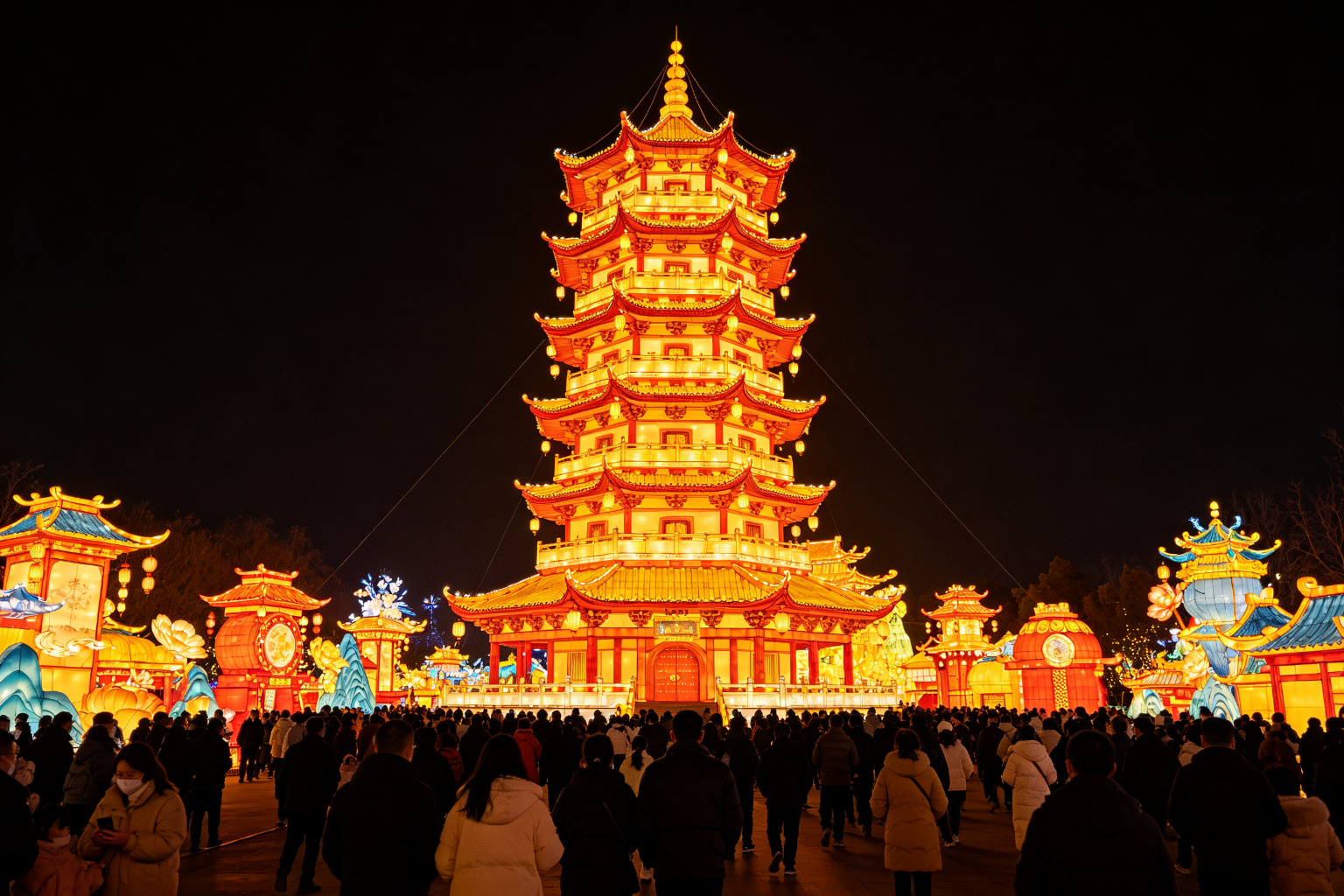
Permit Types You May Need
Permit requirements vary by country, state, and city, but most lantern festivals touch on the same four categories. The first is a general event or mass gathering permit, which applies when an event exceeds a threshold of attendees — often 50 to 100 people at one time in public spaces. The second is a temporary use or public space occupancy permit, needed when the festival uses a park, plaza, street, or other publicly owned land. The third is an electrical permit, because lantern displays involve temporary power distribution across a site. The fourth is a fire safety inspection or permit, particularly for outdoor events with large structures and evening crowds.
Some venues also require a building or temporary structure permit for large entrance arches, tunnels, and tall displays, especially where they exceed local height limits or are anchored to the ground. If the event includes amplified sound, food vendors, alcohol, or road closures, each of these may require a separate permit. The safest approach is to contact your local events office or parks department early, describe the event in writing, and ask them to list every permit that applies. Local requirements differ significantly, and a permit that is optional in one city may be mandatory in a neighboring jurisdiction.
Electrical Safety Requirements
Electrical safety is the technical area most often questioned by permit reviewers. Lantern festivals rely on temporary power distribution feeding many illuminated displays across a site, and reviewers will want to see that the installation is designed and inspected by qualified personnel. In practice, this means using outdoor-rated cables and connections, grounding every circuit, protecting distribution points from weather and physical damage, and limiting each circuit to its rated load. A site power plan showing the location of distribution boxes, cable runs, and each display's connection point is commonly required and should be prepared by the manufacturer or a licensed electrician.
Ingress protection ratings describe how well electrical enclosures resist dust and water; outdoor festival equipment is generally expected to use enclosures rated for exposure to rain and weather. Residual current devices, which cut power quickly in the event of a fault, are standard on temporary outdoor circuits. The manufacturer should supply electrical documentation for each display, including power consumption, connection specifications, and test certificates. This documentation not only supports the permit application but also helps the on-site electrician plan circuits and avoid overloading. It is important to note that permit offices assess the installation rather than the manufacturing process, so your documentation should focus on how the equipment will be safely connected and protected on site.
Fire and Crowd Safety Compliance
Fire safety review for lantern festivals focuses on three things: the behavior of materials, the spacing of structures, and the ability to evacuate. Modern festival displays are designed around internal lighting rather than open flame, and manufacturers can provide documentation on the fire-resistant treatment of covering materials. Reviewers will check that large structures are kept clear of trees, buildings, and other combustible surroundings, and that fire lanes and access routes remain open for emergency vehicles. Fire extinguishers are placed at key points, particularly near electrical distribution and operational areas.
Crowd safety is assessed through density and circulation. A common planning figure is to allow sufficient standing and circulation space so that walkways remain passable at peak times, with clear sightlines to exits. Entrance and exit points are separated to prevent cross-flow, and high-capacity areas such as tunnels and bridges are designed with multiple exits and queuing space. The event management plan should identify maximum occupancy for each zone, staff positions at pinch points, and procedures for stopping entry if a zone reaches capacity. A site map showing zones, exits, fire points, and emergency routes is a standard part of the safety submission.
Insurance Coverage Checklist
Most venues and public landowners require event organizers to carry public liability insurance before a permit is approved, and the required coverage limit is often stated in the venue contract. Beyond the basic liability policy, a lantern festival may benefit from several additional covers depending on its scale and timing.
- Public liability insurance: covers injury or property damage claims by visitors and third parties.
- Event cancellation or weather cover: protects against lost revenue if the event is interrupted by severe weather or other insured causes.
- Equipment or installation cover: covers damage to displays during transport, installation, and the event period.
- Employer or volunteer liability: required when staff or volunteers are working on site.
- Food vendor liability: vendors typically carry their own policies, and the organizer collects certificates.
Confirm the venue's required limits in writing, and check whether the policy covers the full event period including setup and teardown, which are often the most accident-prone phases. If displays are shipped internationally, clarify at what point insurance risk transfers between the manufacturer, the freight forwarder, and the organizer.
Permit Timeline: Start Six Months Early
Permit offices process applications in sequence, and missing a deadline can push an event into a later season. The following reverse timeline is a practical starting point for a festival opening in late autumn or winter.
| Before Opening | Action |
|---|---|
| 6 months | Contact venue and events office; request full permit list; confirm site availability and key dates |
| 5 months | Submit site occupancy and event permit applications; begin insurance quotes |
| 4 months | Submit electrical and fire safety plans; order displays with confirmed specifications |
| 3 months | Respond to reviewer questions; confirm vendor and road closure permits |
| 2 months | Finalize insurance certificates; prepare staff and safety plans |
| 1 month | Final inspections scheduled; signage and emergency routes confirmed |
| 1-2 weeks | On-site installation and joint safety walk-through |
Public-sector review can be slower than expected, particularly where multiple departments are involved, so the buffer between submission and opening is valuable. Applications submitted during peak event season may also take longer to process.
How a Factory Partner Helps With Compliance
A reliable manufacturer supplies the documentation that permit reviewers expect, which substantially reduces the organizer's workload. This typically includes structural information for large displays, electrical specifications and power consumption figures, material and fire treatment documentation, and test or certification records. The manufacturer can also provide a site power plan and installation guidance, and in many projects supplies an installation supervisor to work with the local electrician and safety officers.
When comparing manufacturers, ask specifically for the compliance documents they provide with each shipment, because a factory that cannot produce electrical and structural documentation will create delays at the permit stage. Our exhibition company page describes the end-to-end support available, and our insurance and risk management article covers coverage in more depth. For the full project schedule, see our production timeline guide.
International Permit Differences
Permit systems differ substantially between countries, and organizers should not assume a process that works in one jurisdiction will apply in another. In much of the United States, event permits are handled at city or county level, with separate electrical and fire reviews, and venues often carry institutional knowledge that helps first-time organizers. In the United Kingdom and parts of Europe, event safety frameworks emphasize documented risk assessments and a named event safety officer, with local authority licensing for larger gatherings. In Australia and New Zealand, councils manage event approvals alongside dedicated safety guidance, and temporary electrical work must be certified by licensed personnel.
Across all systems, the common requirements are consistent: a documented safety plan, electrical work completed by qualified people, crowd and fire provisions, and insurance. What differs is the format and the order of review. International organizers should identify the local authority responsible for events at the chosen venue and request written guidance rather than relying on general advice, because neighboring councils can interpret the same rules differently. If a manufacturer has supplied events in the same country, its documentation can often be adapted to local expectations, which shortens the review.
Working Effectively With Reviewers
Permit reviewers are not adversaries, and applications that are organized and complete move faster than those that require repeated requests for information. Submit a single package with a clear contents list, include the site plan, electrical plan, safety plan, and insurance certificate together, and respond to questions in writing with references to the relevant plan. Where a reviewer raises a concern, address the underlying issue rather than arguing that the requirement is unnecessary, because the reviewer is applying standards that apply to every event, not only yours.
It helps to understand that reviewers assess risk, and they are most concerned by the points they cannot see from an application: how crowds will move at peak times, how electrical equipment will be protected in wet weather, and how the event will respond in an emergency. A short narrative explaining these operational decisions, alongside the plans, reassures reviewers and reduces follow-up questions. Where the event is novel for the local authority — for example, a first lantern festival in a city — offer to walk the site with the reviewer or introduce them to the manufacturer's technical contact, which resolves technical questions directly.
Documentation Checklist
The following checklist consolidates the documents most often requested, and preparing them in advance prevents last-minute delays.
- Event description with dates, hours, expected attendance, and organizer details.
- Site map showing zones, walkways, entrances, exits, and emergency routes.
- Electrical plan with distribution points, cable routes, and load information.
- Manufacturer electrical specifications and test or certification records.
- Structural information for large or tall displays and anchoring details.
- Fire plan including extinguisher positions, access lanes, and material documentation.
- Crowd management plan with capacities, staff positions, and entry controls.
- Insurance certificates matching the venue's required coverage and limits.
- Vendor list with each vendor's insurance and permit status.
- Emergency contacts and the named person responsible during the event.
Keep both digital and printed copies on site, because the safety walk-through and opening inspections often reference the plans directly. A well-organized package is frequently approved with fewer conditions, which reduces the work in the final weeks.
Frequently Asked Questions
Do lantern festivals need special permits?
Yes, most lantern festivals require an event or mass gathering permit, a public space or temporary use permit, an electrical permit, and a fire safety inspection. Events with food, alcohol, road closures, or amplified sound may need additional permits. Requirements vary by city, so contact the local events or parks office early and ask for the complete list that applies to your site.
How long does it take to get a lantern festival permit?
Permit processing typically takes 2-4 months from first application to final approval, depending on the jurisdiction and the number of departments involved. Public space, electrical, and fire reviews often run in sequence, so organizers should start the process about six months before opening and build in buffer for questions and revisions.
What electrical standards apply to lantern displays?
Temporary outdoor festival power uses outdoor-rated cables and enclosures, grounded circuits, residual current protection, and distribution points protected from weather and damage. A site power plan showing distribution, cable routes, and display connections is usually prepared by the manufacturer or a licensed electrician, and the installation is inspected before the event opens.
Is insurance required for a lantern festival?
Most venues and public landowners require public liability insurance before approving a permit, with coverage limits stated in the venue contract. Organizers may also add event cancellation, equipment, and employer liability cover depending on event scale. Insurance should cover setup, the operating period, and teardown, and vendors usually carry their own policies.