
Rental vs Purchase vs Lease
Organizers can access lantern festivals through three commercial models, and the right choice depends on event duration, budget, customization needs, and whether the event will repeat. A direct purchase means the organizer owns the displays and can reuse them across seasons, with the manufacturer producing and shipping them to the site. A rental is a short-term arrangement where the displays are supplied for a defined event window and returned afterward. A lease sits between the two, typically covering a full season or a longer operating period with the option to extend or purchase at the end.
| Factor | Rental | Lease | Purchase |
|---|---|---|---|
| Upfront cost | Lowest | Medium | Highest |
| Best duration | 2-8 weeks | One full season | Multi-year reuse |
| Customization | Limited to available designs | Moderate | Full custom design |
| Maintenance | Usually included | Shared or included | Organizer's responsibility |
| Storage after event | Not required | Not required | Required |
| Best for | First events, short festivals, fixed budgets | Seasonal venues, uncertain demand | Repeating festivals, long-term venues |
The most common reason to rent is to test the format without committing to ownership, which is valuable for first-time organizers and venues that are unsure whether the event will repeat. Purchasing becomes more economical once an event is established, because the displays can be reused and the per-season cost falls. A lease is useful when a venue wants a full-season event with some design input but is not yet ready to buy.
Rental Packages We Offer
Rental packages are structured around the event window and the level of on-site support. Short-term rentals of 2 to 4 weeks are common for mall promotions, corporate events, and community festivals, while seasonal rentals of 6 to 12 weeks suit zoos, parks, and gardens. Most packages include delivery planning, installation supervision, and teardown, with the organizer providing local labor and the venue itself.
- Short-term package (2-4 weeks): a compact set of themed displays suitable for a mall atrium, corporate campus, or community site, with installation and teardown included.
- Seasonal package (6-12 weeks): a multi-zone festival designed around a walking route, with a larger signature display and a full installation schedule.
- Annual package (up to 12 months): a long-term lease allowing the venue to rotate displays across several event windows, with refresh options during the term.
- Custom package: a rental built around a specific theme or brand, where the manufacturer produces new displays for the event and reclaims them afterward.
The package quote is based on the number and size of displays, the event duration, the shipping distance, and the installation support required. Organizers should request a quote that separates the display rental, logistics, and on-site services, so the components are clear and comparable.
Who Should Rent
Rental is the strongest fit for organizers who want a high-quality event without the responsibilities of ownership. Shopping malls frequently rent for holiday windows because the displays are installed in an existing atrium and removed without storage demands. Corporate events and brand activations rent custom themes for short, high-impact periods. Community festivals and first-time organizers use rentals to validate audience demand before purchasing, and venues with uncertain multi-year plans rent to avoid the risk of owning displays that may not be reused.
Rental is also practical where storage is limited or expensive, because the manufacturer handles the displays outside the event window. In contrast, organizers with secure storage, a confirmed repeating event, and a stable theme often find purchasing more economical after the first season. The decision should be based on a simple two-year comparison: the rental cost for two seasons versus the purchase cost plus storage and maintenance. For many established venues, purchase wins by the second or third season; for first-time and short-duration events, rental is usually the lower-risk choice.
Rental Process: Five Steps
The rental process is designed to be straightforward and typically begins 3 to 5 months before the event, although shorter timelines are possible with available designs.
- Consultation: define the venue, event dates, audience, theme, and budget, and review available display options.
- Selection and design: choose a package or work with the design team to adapt displays to the site, including a layout and quote.
- Scheduling: confirm the event window, shipping plan, installation dates, and the return schedule after the event.
- Installation: the manufacturer's supervisor works with local labor to install, test, and sign off the displays.
- Teardown and return: at the end of the rental, displays are dismantled, packed, and returned, with the venue left in its original state.
During the event, the rental package includes a point of contact for technical issues, and maintenance visits can be scheduled for longer rentals. The organizer remains responsible for daily operations, security, and cleaning, while the manufacturer handles the display equipment itself.
Rental Pricing Factors
Five factors determine rental pricing. The first is the number and size of displays, because large signature pieces carry higher production and transport costs. The second is the rental duration, with longer windows priced at a lower weekly rate. The third is shipping distance and logistics, including whether the displays move by sea, rail, or road. The fourth is the installation scope, including the number of supervisor days and the complexity of the site. The fifth is customization, where newly produced or branded displays cost more than available designs.
To compare quotes accurately, organizers should ask for the same scope from each supplier, including the same display list, event duration, and service inclusions. Quotes that appear low sometimes exclude installation supervision or return logistics, which become additional costs later. A transparent quote separates the rental fee, freight, installation, and any maintenance, and states the condition in which the venue must return the displays. Our cost guide provides a fuller breakdown of budget ranges.
Common Rental Themes
| Event Type | Common Themes | Typical Duration |
|---|---|---|
| Holiday retail | Winter scenes, gift and seasonal symbols, festive entrances | 3-6 weeks |
| Brand activations | Custom brand themes, product-inspired displays, photo installations | 1-4 weeks |
| Community festivals | Animals, cultural displays, seasonal themes, family zones | 4-8 weeks |
| Zoo and garden events | Wildlife, flowers, themed walking routes, signature tunnels | 6-12 weeks |
Choosing a theme that suits the venue and audience is more important than choosing the largest package, because a well-designed compact event often outperforms a larger one with no clear identity. The manufacturer can advise on which themes work within a given budget and site. To discuss a rental for your event, use our contact page, and for the full product range, see the catalog.
Rental Contract Terms
A clear rental agreement protects both parties and prevents disputes at teardown. The contract should state the exact event window, including setup and teardown dates, the display list and condition at delivery, the responsibilities of each party, and the return condition. It should also define how damage beyond normal wear is assessed, who insures the equipment during the event, and what happens if the event is extended or shortened. Where installation supervision is included, the number of supervisor days and the local support required should be written into the agreement.
Organizers should pay particular attention to the logistics terms, including who arranges customs and inland delivery, and the return schedule, because late return of rented displays can affect the manufacturer's commitments to other events. A transparent contract separates the rental fee, freight, and on-site services, and it includes a detailed packing list so the equipment can be checked at both ends. First-time renters should ask the manufacturer to explain any terms that are unclear, particularly around insurance and the condition in which the venue must return the displays.
International Rental Considerations
International rentals add customs complexity, because the equipment enters the country temporarily and then leaves again. Many markets offer temporary admission arrangements designed for event equipment, which can reduce import costs where the goods are clearly intended to be re-exported, and a customs broker experienced in events can advise on the correct procedure. The rental should be scheduled with the return shipment in mind, including the documentation needed to show the goods are leaving the country after the event.
Timing is more constrained for international rentals than for purchases, because the displays must arrive, be installed, operate, be dismantled, and return within a defined logistics window. The manufacturer handles the export and return documentation, while the organizer or broker manages local clearance. Despite the added logistics, international rentals remain popular for single-season events and first-time organizers, because they avoid both ownership and the need to store equipment after closing. The most reliable quotes are built around a confirmed event calendar and a broker engaged before the displays ship.
Rental Case Examples
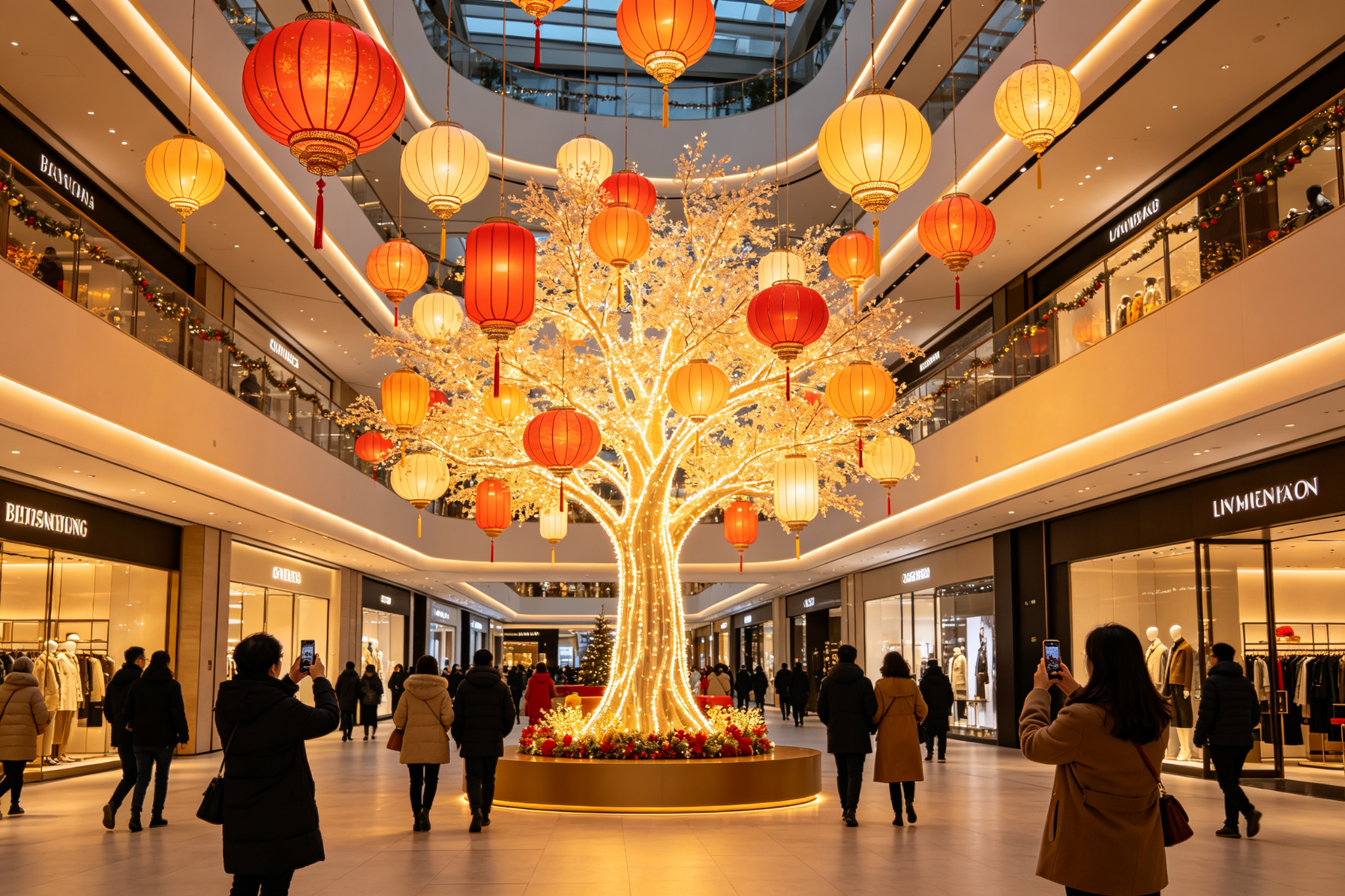
A shopping mall planning a four-week holiday program rented a compact collection centered on a themed entrance and a series of seasonal displays in its main atrium. The installation was completed in a few days around the mall's normal operations, and the displays were removed without storage demands. The mall measured the result through foot traffic and dwell time in the atrium, and the rental avoided both the capital cost of purchase and the risk of owning holiday-specific equipment after the season.
A first-time community festival organizer rented a multi-zone collection for a six-week summer event to test whether the format would draw visitors. The rental included installation supervision and a technical contact, and the organizer provided local labor and the venue. The event validated the audience, and the organizer was able to decide afterward whether to purchase for the following season based on real attendance rather than projections. These examples illustrate the core value of rental: access to a complete, high-quality event while keeping upfront cost and long-term risk low.
Frequently Asked Questions
How much does it cost to rent lantern displays?
Rental pricing depends on the number and size of displays, the event duration, shipping distance, and installation support. Short-term compact packages are priced at a fraction of a purchase, while full seasonal multi-zone rentals are a larger investment. A quote separating rental, freight, and installation gives the most accurate figure, and longer rentals usually carry a lower weekly rate.
What is the minimum rental period?
Short rentals of 2-4 weeks are common for mall promotions, corporate events, and community festivals. Very short rentals of 1-2 weeks are possible for brand activations, although shipping and installation timing becomes a constraint. Seasonal rentals typically run 6-12 weeks, and longer annual leases are available for venues that want displays across multiple event windows.
Do you install rented lanterns?
Yes, rental packages generally include an installation supervisor who works with local labor, and teardown is included as well. The manufacturer tests the displays before opening and provides a technical contact during the event. The organizer provides the venue, local labor, and daily operations, while the manufacturer handles the display equipment.
Can I customize a rented lantern festival?
Customization depends on the package: available designs can be reconfigured and themed to a site, while fully custom or branded displays can be produced for a custom rental at a higher price. Moderate customization such as color, layout, and themed zones is common, but full custom design is more typical of a purchase or a custom rental agreement.