
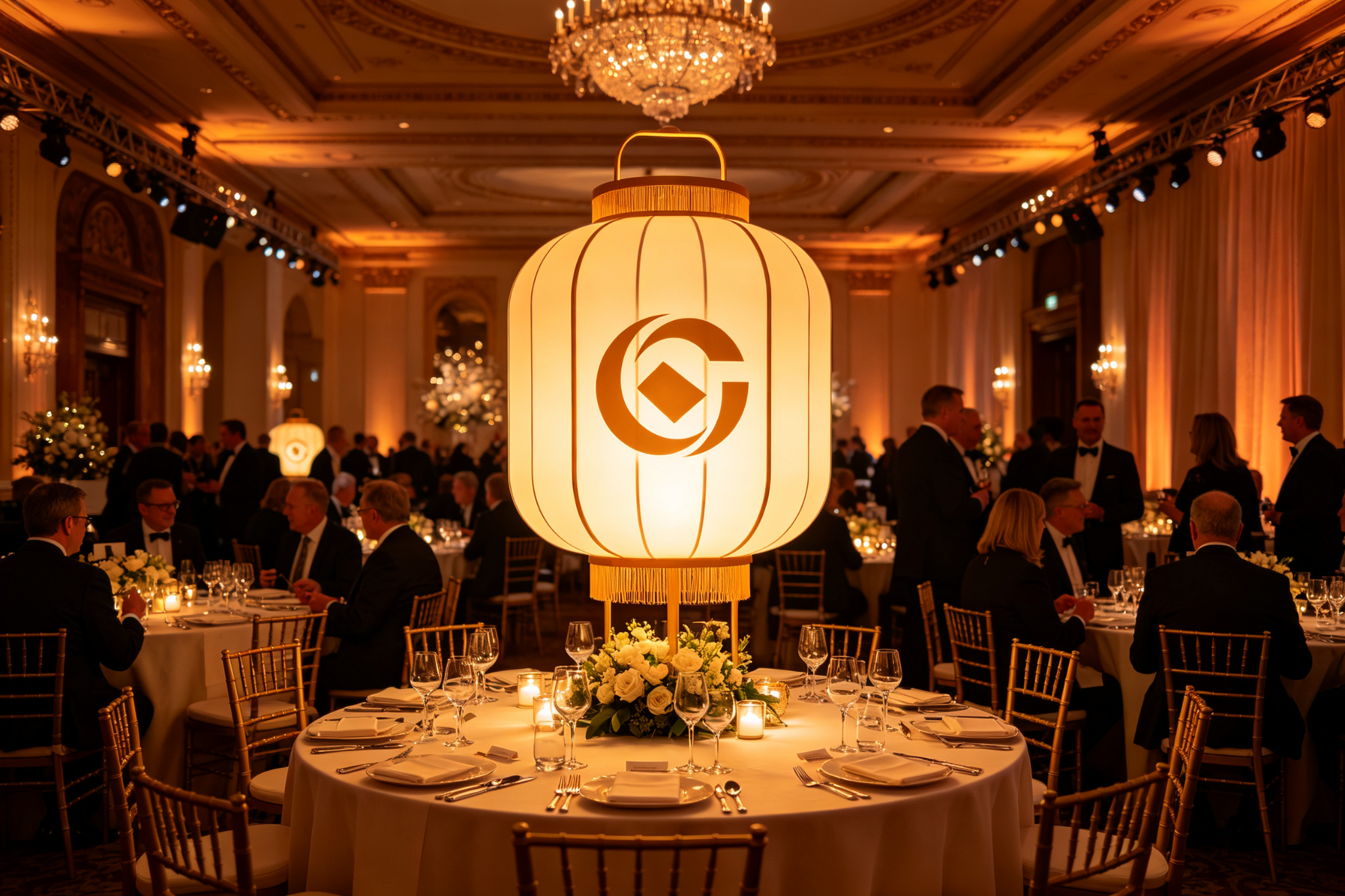
Why Sponsors Love Lantern Festivals
Few public events deliver the combination of long dwell time, family-friendly audiences, and rich media exposure that a lantern festival provides. A typical mid-sized lantern festival running for 30 to 45 days draws between 100,000 and 300,000 visitors, with peak evening sessions when sponsor signage and branded zones are most visible. Unlike a single-day concert or sports match, a lantern festival gives sponsors repeated exposure across weeks of operation, and the illuminated nature of the displays means branding remains prominent after dark — the exact window when local restaurants, retailers, and hospitality businesses want to capture attention.
The audience profile is also attractive to sponsors. Lantern festivals draw a high proportion of families with children, couples, and adult groups aged 25 to 55 — demographics with strong discretionary spending. Visitors travel an average of 25 to 40 kilometers to attend, often combine the visit with dining and shopping, and share photos heavily on social media. A well-positioned sponsorship can therefore generate value across three channels: on-site visibility, social media reach, and local economic activity. For municipal organizers, this makes sponsorship far more valuable than simple logo placement; it becomes a partnership that helps fund the entire event.
Five Sponsorship Package Tiers
Structuring sponsorship into clear tiers makes it easier for prospects to choose and for organizers to forecast revenue. The following five-tier model is widely used by lantern festivals and can be adjusted to your market size and audience numbers.
| Tier | What It Includes | Suggested Price Range |
|---|---|---|
| Title / Presenting Sponsor | Event naming rights, main entrance branding, logo on all tickets and marketing, dedicated branded zone, opening ceremony role, social media features | 25-40% of total event budget |
| Zone Sponsor | Branding of one themed zone (e.g., animal zone, fairy tale zone), logo on zone map and signage, 4 social media posts | 8-15% of total event budget |
| Single Display Sponsor | Name attached to one large lantern display, plaque with sponsor name, inclusion in event guide | 2-5% of total event budget |
| Food & Beverage Sponsor | Exclusive or preferred vendor status, branded kiosk or seating area, sampling opportunities | Fixed fee plus revenue share |
| Community Sponsor | Logo on community wall, tickets for staff or charity, local business recognition | Small fixed fee or in-kind support |
The title sponsor should always be limited to one company, because exclusivity is what justifies the highest price. Zone and display sponsors can be sold in multiple units, but avoid overlapping categories — for example, do not sign two competing banks or two beverage brands at the same tier. Community sponsors are useful for filling revenue gaps and building local goodwill, especially when the event receives public funding.
The Naming Rights Model
Naming rights are the single most valuable asset a lantern festival can offer. The standard formula combines the city or venue name, the sponsor brand, and the event description — for example, "Riverside City [Brand] Lantern Festival" or "[Brand] Garden of Lights at [Venue]." The sponsor's name appears on the ticket, the website, advertising, the main entrance, and all press materials, giving them visibility comparable to a named stadium or arena.
Pricing for naming rights follows three factors: the number of projected visitors, the size of the local media market, and the length of the event. A useful baseline is to price the title package at 25 to 40 percent of the total event cost, then negotiate based on the sponsor's expected return. A sponsor that projects strong sales lift or brand exposure in your market will often pay above the baseline, especially on a multi-year deal. Offering a two- or three-year title package at a discounted annual rate can lock in funding early and reduce the risk of sponsorship gaps in future seasons.
How to Build a Sponsor Prospectus
A prospectus is the document you send to potential sponsors, and it should be concise enough to read in ten minutes while containing the data a marketing manager needs to justify the spend. Build it around these eight elements:
- Event overview: dates, location, theme, and a one-paragraph description.
- Audience data: projected visitors, age and family profile, average dwell time, and geographic draw.
- Media exposure: local press coverage, advertising reach, email and social media audience size.
- Social media reach: expected impressions, hashtag usage, and photo-sharing behavior of lantern festival visitors.
- Sponsorship tiers: the packages and prices from the table above.
- Branding examples: simple mockups showing where logos and branded zones will appear.
- ROI calculation: a worksheet comparing the sponsor's cost to the cost of reaching the same audience through advertising.
- Contact and next steps: a deadline for commitment and a named person to reach.
Include photos from a previous lantern festival or comparable event, because the visual scale of the displays is what most often convinces sponsors who have not attended one. If this is your first event, images from the manufacturer's catalog or similar festivals can demonstrate the expected look and crowd levels.
Sponsor Outreach Email Templates
Personalized outreach outperforms mass emails, but a reusable structure saves time. The following three templates cover the full outreach sequence.
Template 1: Initial Introduction
Subject: Partnership opportunity — [Event Name] lantern festival in [City]
"Hi [Name], I'm reaching out because [Company] is a strong fit for the [Event Name] lantern festival taking place [Dates] at [Venue]. We expect [X] visitors over [Y] days, with a family audience that matches your customers. We have a title sponsorship and several zone packages available. Would you be open to a 15-minute call this week? I'll send the prospectus ahead so you can see the audience data and branding options."
Template 2: Follow-Up
Subject: Following up — lantern festival sponsorship deadline
"Hi [Name], I wanted to follow up on the lantern festival partnership. We're confirming sponsors by [Date], and the [specific zone/tier] package would position [Company] alongside [relevant theme]. I've attached a one-page summary. Even if timing is tight this year, I'd value the chance to understand your marketing calendar so we can plan for future seasons."
Template 3: Confirmation and Welcome
Subject: Welcome as [Tier] sponsor of [Event Name]
"Hi [Name], thank you for confirming the [Tier] sponsorship. This email confirms the package, branding assets, and next steps. We'll need your high-resolution logo by [Date], and I'll schedule a brief call to review the signage and social media schedule. We're looking forward to a strong partnership and a successful festival."
Case Study: How Sponsorship Covered 60 Percent of Event Costs
A mid-sized city lantern festival with a total budget of $450,000 structured its sponsorship program around one title sponsor, three zone sponsors, and six display sponsors. The title package was sold to a regional bank at $140,000 on a two-year agreement, the three zone sponsors contributed a combined $95,000, and the display sponsors added $38,000. Together with a food and beverage revenue share, sponsorship covered approximately 60 percent of the event cost, reducing the organizer's reliance on ticket revenue and public funding.
The title sponsor reported strong returns: its branded entrance and zone generated an estimated 2.8 million social media impressions, and the bank opened new customer accounts linked to a ticket-discount promotion. The two-year structure gave the sponsor time to build the campaign, while the organizer secured funding before manufacturing commitments were due. The key lesson is that sponsorship works best when sold early — ideally six months before the event — because the largest packages require internal approval and marketing planning on the sponsor's side.
Internal Links and Next Steps
Once your sponsorship packages are defined, the next step is to confirm the event budget and display scope. Our lantern festival factory page explains how direct manufacturing affects total cost, and our contact page can help you request a free consultation and budget estimate for your event. For a full planning framework, our complete event planning guide covers timelines, site design, and operations in detail.
Measuring Sponsorship Return on Investment
Sponsors renew when they can see measurable results, and the organizer should agree on measurement before the event opens. The most useful metrics fall into four groups: exposure, engagement, lead generation, and sales. Exposure measures how many times the brand appeared, including signage impressions, logo placements on tickets and maps, and digital reach. Engagement measures how visitors interacted with the brand, such as visits to a branded zone, participation in a promotion, or social media mentions. Lead generation captures visitors who registered interest, for example through a ticket-discount offer or a prize draw. Sales measures the most direct result, where the sponsor can attribute purchases to the event.
Not every metric suits every sponsor, so the agreement should identify the two or three measures that matter most and define how they will be captured. A bank may focus on new accounts and leads, a beverage brand on sampling and social reach, and a local retailer on in-store traffic. The organizer can provide attendance data, signage photos, social media analytics, and zone counts, while the sponsor tracks its own sales and customer records. A short post-event report, delivered within two weeks of closing, is the document that supports renewal and justifies the next year's price.
Common Sponsorship Mistakes
First-time organizers make a predictable set of errors. The most costly is leaving sponsorship sales too late, because the largest packages require internal approval and marketing planning, and prospects approached weeks before opening rarely commit. The second is offering vague packages without clear prices, which forces every prospect into a negotiation and slows sales. The third is overloading the event with low-value logos, which dilutes the visibility of the title sponsor and reduces what can be charged in future seasons. The fourth is failing to deliver on the package details, such as missing social posts or signage placed in low-traffic positions, which damages references with other sponsors.
A fifth, less obvious mistake is selling only to familiar contacts rather than building a prospect list, which limits revenue and leaves the event dependent on a few relationships. A structured sales process with a prospectus, a target list, and a follow-up calendar avoids these problems and makes sponsorship revenue more predictable. It is also worth reserving a small number of in-kind sponsorships for services the event would otherwise purchase, such as printing, equipment, or accommodation, which reduces cash costs even where cash sponsorship is limited.
Multi-Year Sponsorship Strategy
The most stable festivals treat the title sponsorship as a multi-year partnership rather than an annual sale. A two- or three-year agreement gives the sponsor time to build campaigns around the event, integrate the partnership into annual budgets, and develop promotions that mature over more than one season. For the organizer, it removes the risk of a title gap and provides funding certainty before manufacturing commitments are due. Multi-year agreements typically offer a modest annual discount in exchange for the commitment, with clauses that protect both parties if event scale or audience changes materially.
Multi-year deals also allow the sponsor to build recognition among returning visitors, which is valuable because a lantern festival audience repeats across seasons. The first year establishes awareness, the second deepens the association, and the third often produces the strongest measured return. Organizers should still refresh the event each season, but the sponsor's presence becomes a familiar part of the festival rather than a new overlay. When negotiating, align the agreement with the venue's own multi-year plan, including any planned expansion of zones or operating weeks, so the sponsorship grows with the event.
Frequently Asked Questions
How much does lantern festival sponsorship cost?
Sponsorship packages range from small community fees to title sponsorships priced at 25-40 percent of the total event budget. A mid-sized festival with a $400,000 budget might sell its title package for $100,000-$160,000, zone packages for $30,000-$60,000, and single display sponsorships for $8,000-$20,000. Prices depend on visitor numbers, market size, and event duration.
What sponsorship packages are available?
Most lantern festivals offer five tiers: title or presenting sponsor with naming rights, zone sponsors for themed areas, single display sponsors, food and beverage sponsors, and community sponsors. Each tier includes different branding, social media, and on-site benefits, and organizers can customize packages to fit a sponsor's marketing goals.
How many visitors do lantern festivals attract?
A mid-sized lantern festival running 30-45 days typically draws 100,000-300,000 visitors. Large city-center festivals can exceed 500,000, while smaller community or mall events may draw 30,000-80,000. Evening sessions are the busiest, and visitors typically stay 60-120 minutes, which is valuable for sponsor visibility.
How do I find sponsors for my lantern festival?
Start by building a prospectus with audience data and clear packages, then target companies whose customers match your audience — banks, insurers, auto dealers, beverage brands, hospitals, and large local employers. Reach out 5-6 months before the event, use personalized emails, and offer a mix of title, zone, and display packages to fit different budgets. Multi-year deals help lock in the largest sponsors.